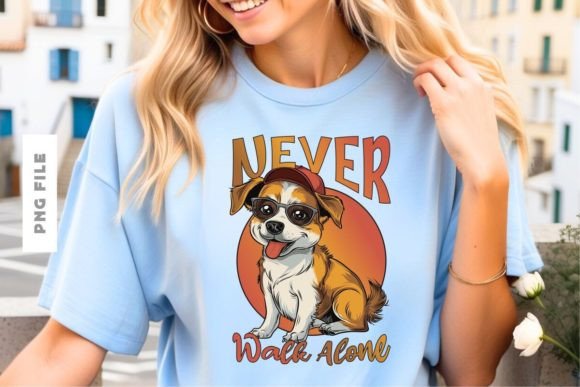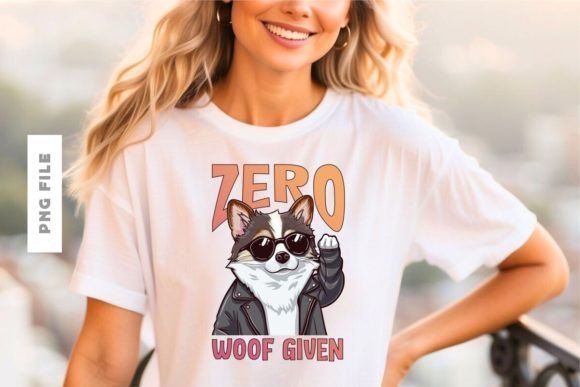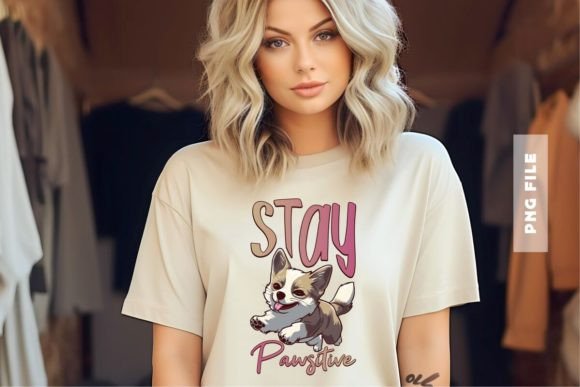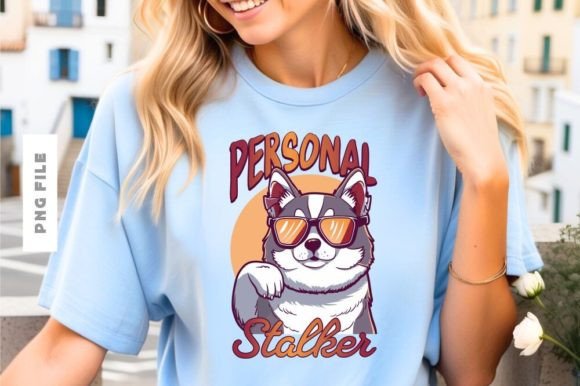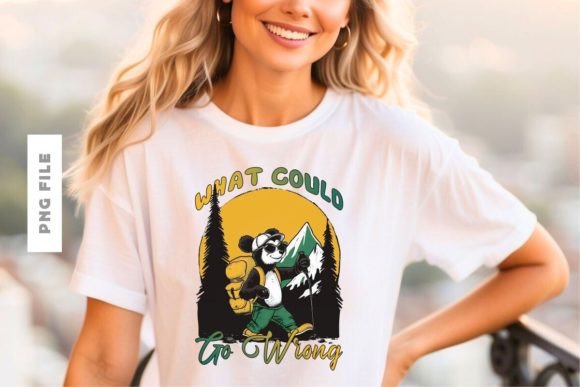
What Could Go Wrong? A T-Shirt Design That Sells Itself
It’s the perfect blend of sarcasm, relatability, and universal truth, all wrapped up in a wearable statement. The "What Could Go Wrong" t-shirt design taps into a specific, shared human experience—the ironic acknowledgment of impending chaos that we all recognize. It’s not just a phrase; it’s a mood, a conversation starter, and a surprisingly effective branding tool. This design isn't about celebrating disaster; it's about connecting with an audience that appreciates dry humor, self-awareness, and the kind of witty commentary that makes someone stop scrolling and smile. For entrepreneurs and creators, this kind of instant emotional connection is marketing gold.
More Than Just a Funny Phrase: The Anatomy of a Marketable Design
Visually, the effectiveness of a design like this hinges on its typography and composition. The font choice is critical—it needs to convey the right tone. A bold, clean sans-serif might feel modern and assertive, while a slightly distressed or vintage-style typeface could add character and a sense of worn-in irony. The layout is typically straightforward, ensuring the message is instantly readable from a distance, whether on a hoodie at a coffee shop or a poster across a room. This simplicity is its strength. It allows the phrase to be the hero, making it versatile across countless applications without losing its punch. The included high-resolution PNG and PDF files at 300 DPI are not just technical specs; they are your assurance of professional-grade output. This means the design will look crisp and sharp whether it's screen-printed on a heavyweight cotton tee, sublimated onto a polyester mug, or printed as a high-quality art poster.
Practical Applications for Your Brand or Business
Think beyond the standalone t-shirt. This design is a modular asset for your creative toolkit. Its inherent personality makes it adaptable for a range of projects where you want to inject a bit of wit and relatability.
- Merchandise & Product Lines: Obviously, it’s perfect for t-shirts, hoodies, and sweatshirts. But also consider tote bags for a practical, everyday item, or mugs that become a desk companion for someone’s morning coffee. The unlimited print license means you can test small batches for a pop-up shop or scale to mass production for an online store without additional fees.
- Brand Building & Social Media: Use the design as a cornerstone for a specific product line or a limited-edition drop. It can also be broken down into graphic elements for social media posts, Instagram stories, or TikTok backgrounds, creating a cohesive and recognizable visual voice for your brand that doesn't take itself too seriously.
- Physical Marketing & Decor: Print it as a poster for your workshop, studio, or retail space to set a specific atmosphere. It works wonderfully as part of event branding for conferences, comedy shows, or creative meetups, instantly signaling the vibe to attendees.
- Digital Products & Content: Incorporate the design into digital planners, printable wall art for Etsy, or as a graphic element on a blog or website sidebar to add personality and break up text.
Integrating the Design: A Guide for Creators and Entrepreneurs
Successfully using a pre-made design asset like this involves a bit of strategy. It’s not about just slapping it on a product; it’s about making it work within your broader ecosystem.
For the Small Business Owner: Consider your target customer. Does your audience appreciate sarcasm and memes? If you run a coffee shop, a mechanic's garage, a coding bootcamp, or a pet grooming service, this phrase can be adapted to your niche. Imagine a barista wearing a "What Could Go Wrong?" tee while pulling espresso shots—it builds camaraderie with customers who get the joke. The key is aligning the design's tone with your brand's voice.
For the Designer or Print-on-Demand Seller: This is a ready-made, market-tested concept. Your value-add is in the presentation. Create mockups showing the design on different colored garments (it’s designed to work on any color), in various contexts—like a flat lay with accessories or being worn by a model. Pair it with complementary fonts for any added text, like a store name or slogan, ensuring the typography pairing feels harmonious rather than chaotic. Think about creating a mini-collection around the theme.
For the Content Creator or Marketer: Use the graphic to create engagement. Post a picture of the design and ask your audience, "What's your 'What Could Go Wrong?' moment this week?" It’s a built-in content prompt that encourages interaction and user-generated content. The design becomes a visual shorthand for a shared community feeling.
Making It Your Own: Practical Considerations
While the design is ready to print, thoughtful implementation will elevate your final product. First, choose the right blank product. A heavyweight cotton tee feels different from a tri-blend or a performance polyester hoodie. The material affects how the ink sits and how the garment feels, which impacts perceived quality. Second, think about placement and scale. A centered chest print is classic, but consider a left chest print for a more subtle, professional look on polos or button-downs, or an oversized back print for maximum impact on a streetwear hoodie.
Finally, review the commercial license. The freedom to print unlimited copies for both offline and online sales, including for mass production and print-on-demand services, is a significant advantage. It removes a major logistical and financial hurdle, allowing you to focus on marketing and sales. This design isn't just a file; it's a business opportunity packaged with the creative flexibility and technical quality needed to bring your ideas to market efficiently and professionally. It’s a testament to how a clever concept, executed with quality, can become a foundational piece of a successful creative venture.